

Episodes
The comedian Nathan Fielder came to fame as the creator and host of the Comedy Central series “Nathan for You.” The show followed Fielder as he devised outrageous schemes, ostensibly with the aim of helping various small businesses. What became clear, though, was that Fielder was less interested in helping business owners generate profits than he was in understanding the people ensnared in his plots. His next project, the HBO series “The Rehearsal,” was a similar offbeat portrait of offbeat people. At the center of both projects is Fielder himself, a documentarian whose motives can sometime...
The longtime friends and creative partners on what U2 still means — and what would make them call it quits.Thoughts? Email us at theinterview@nytimes.comWatch our show on YouTube: youtube.com/@TheInterviewPodcastFor transcripts and more, visit: nytimes.com/theinterview
For more information on today’s episode, visit nytimes.com/thedaily. Transcripts of each episode will be made available by the next workday. Subscribe today at nytimes.com/podcasts or on Apple Podcasts, Spotify and Amazon Music. You can also subscribe via your favorite podcast app here https://www.nytimes.com/activate-access...
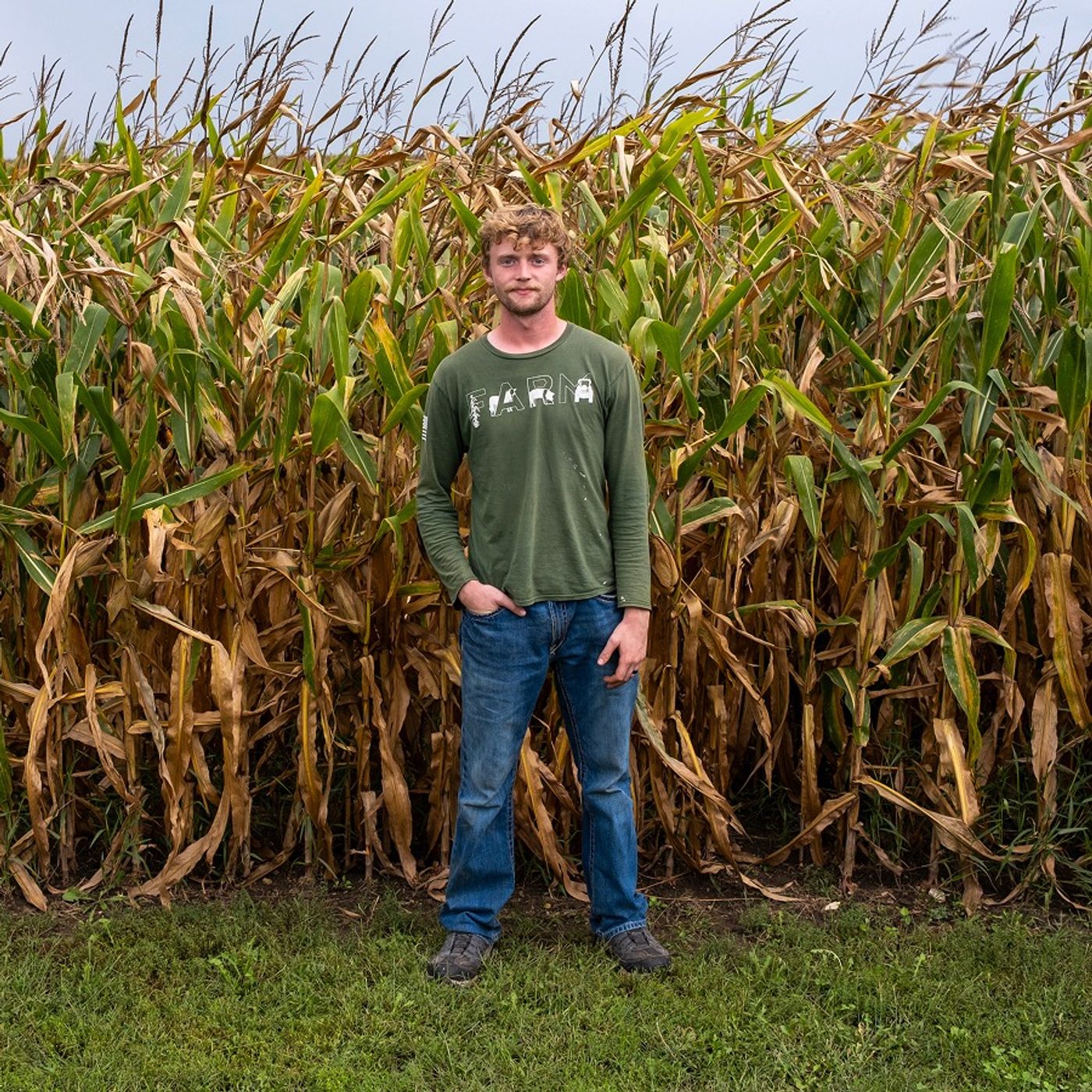
Perhaps no American feels the domestic effects of the war, tariffs and inflation more than the Iowa farmer. The political environment stirred up by those farmers’ strife could allow the Democrats to seize the moment and elect one of theirs to the Senate or the governor’s mansion for the first time in 20 years — making Iowa potentially one of the most important states on the map this midterm cycle.Today, we follow Caleb Renner, a young farmer in north central Iowa, as he shows the effects of the past two years on his community and talks about why those effects may lead him to turn on the Rep...

With Republicans trailing in the polls, the party is making hard choices about where to spend its money — abandoning some races while pouring resources into others.Shane Goldmacher, Nate Cohn and Lisa Lerer, political correspondents for The New York Times, explain why President Trump is campaigning almost daily in deep-red territory, how his influence is shaping the strategy and whether Democrats can win over the disenchanted voters they may need to take back the House and the Senate.Guests: Shane Goldmacher, a national political correspondent for The New York Times.Nate Cohn, the chief pol...

President Trump announced a deal to purchase Russian diesel fuel and temporarily suspended sanctions in an effort to lower domestic fuel prices amid rising costs from the war in Iran and in anticipation of the upcoming midterms. This abrupt foreign policy shift stunned European allies and drew sharp criticism from Ukraine, which viewed the move as a weakening of Western leverage against Russia.Today, Anton Troianovski, a global affairs correspondent for The New York Times, discusses what the deal reveals about the Trump administration’s strategy with Russia, and how much it could actually l...

A dramatic pop music comeback story is underway: Celine Dion is performing again.In 2022, Dion, the renowned Canadian singer, announced that she had stiff person syndrome, a rare and incurable neurological disorder that causes painful muscle spasms and affects roughly one in a million people. The announcement came as a shock to her fans, and in a raw and revealing documentary released in 2024, “I Am: Celine Dion," she shared her struggle to overcome her condition, and sing again. But Dion worked her way back to performing, and is now appearing in a run of sold out shows in Paris.The culture...
As the head of the International Committee of the Red Cross, Mirjana Spoljaric goes to both sides of conflicts. She’s worried that our warring world is spiraling out of control.Thoughts? Email us at theinterview@nytimes.comWatch our show on YouTube: youtube.com/@TheInterviewPodcastFor transcripts and more, visit: nytimes.com/theinterview
For more information on today’s episode, visit nytimes.com/thedaily. Transcripts of each episode will be made available by the next workday. Subscribe today at nytimes.com/podcasts or on Apple Podcasts, Spotify and Amazon Music. You can also subscribe via ...
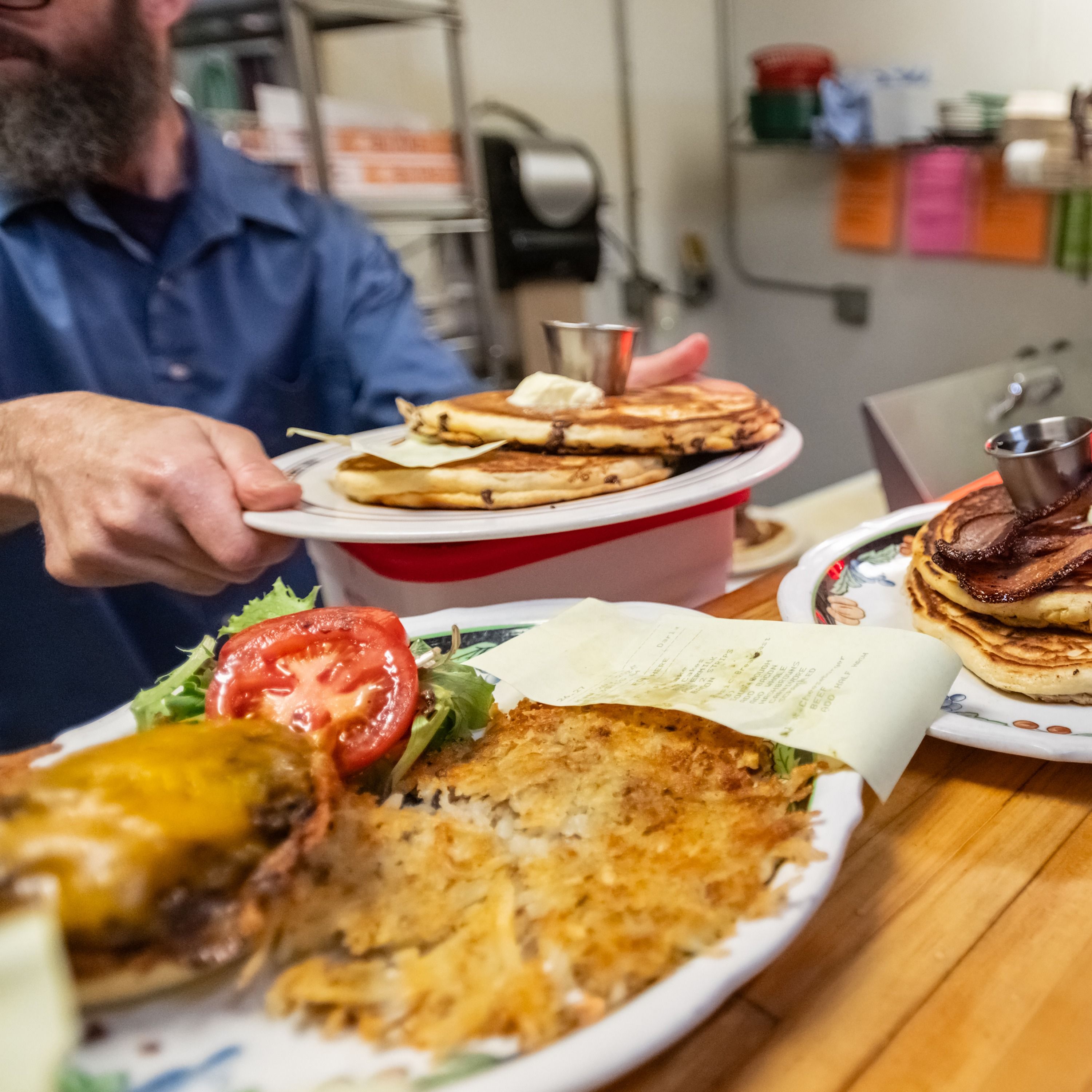
If you dine out regularly, you might have noticed some changes in restaurants over the past few years. Perhaps you’ve found yourself ordering at a counter, scanning a QR code to see the menu, or eating … a lot more soft serve.These changes aren’t just trends. Brett Anderson, a New York Times food reporter, says they are restaurant owners’ desperate attempts to stay afloat in an industry in crisis. According to a report from the National Restaurant Association, 42 percent of restaurant owners said they weren’t profitable in 2025. Many of them were at serious risk of closing.In this episode o...
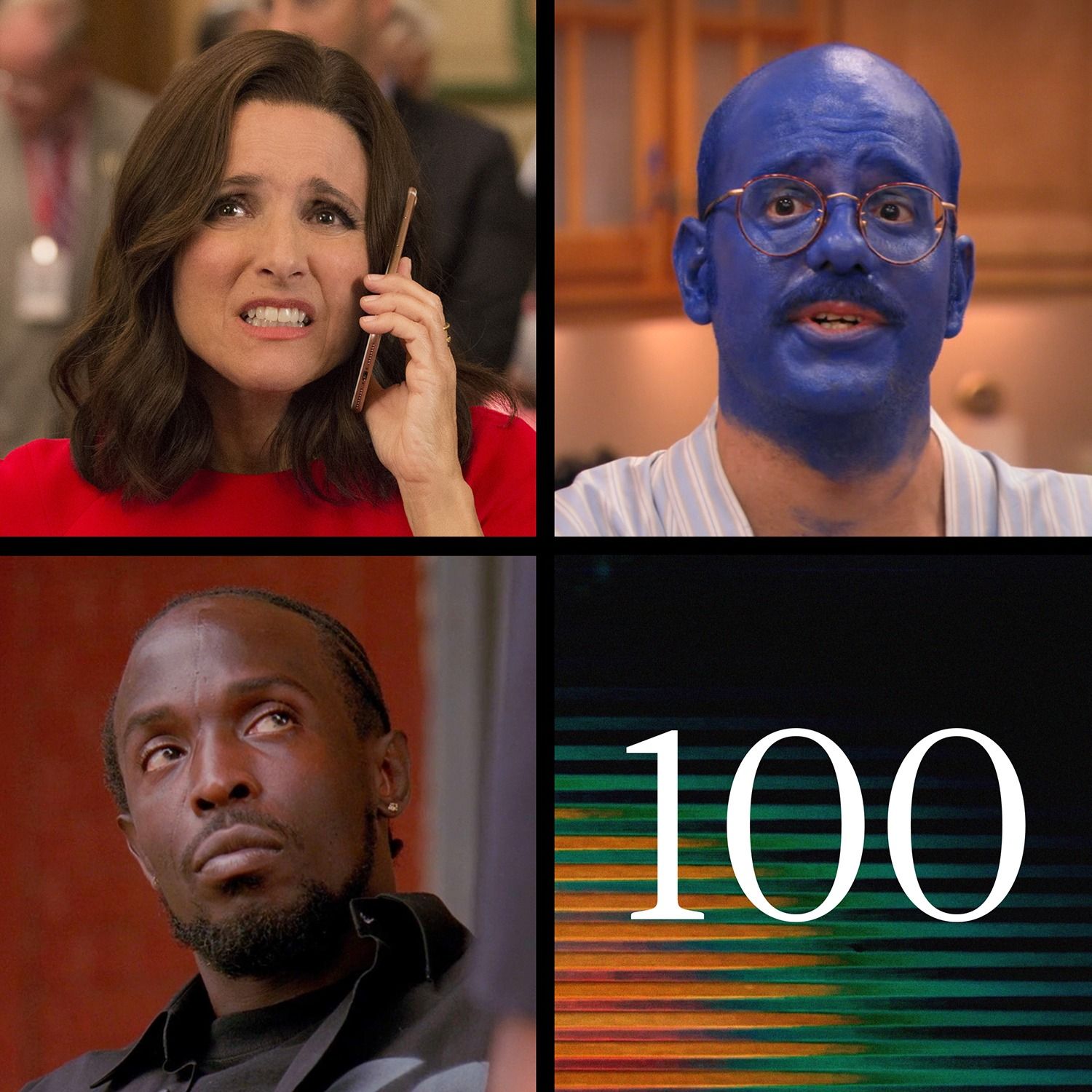
The turn of the century was the beginning of a new era in television: prestige TV for the masses. Today, television is where big stars and innovative creators go to marshal sizable budgets and tell meaningful stories.Over recent months, our colleagues at The New York Times ran a survey, asking industry insiders — on-screen talent, writers, directors, producers, executives and others — to pick their top 10 television series of the last 26 years. We compiled their responses into a list, published this week, of the best TV of the 21st century.In this episode of “The Sunday Daily,” The Times’s ...
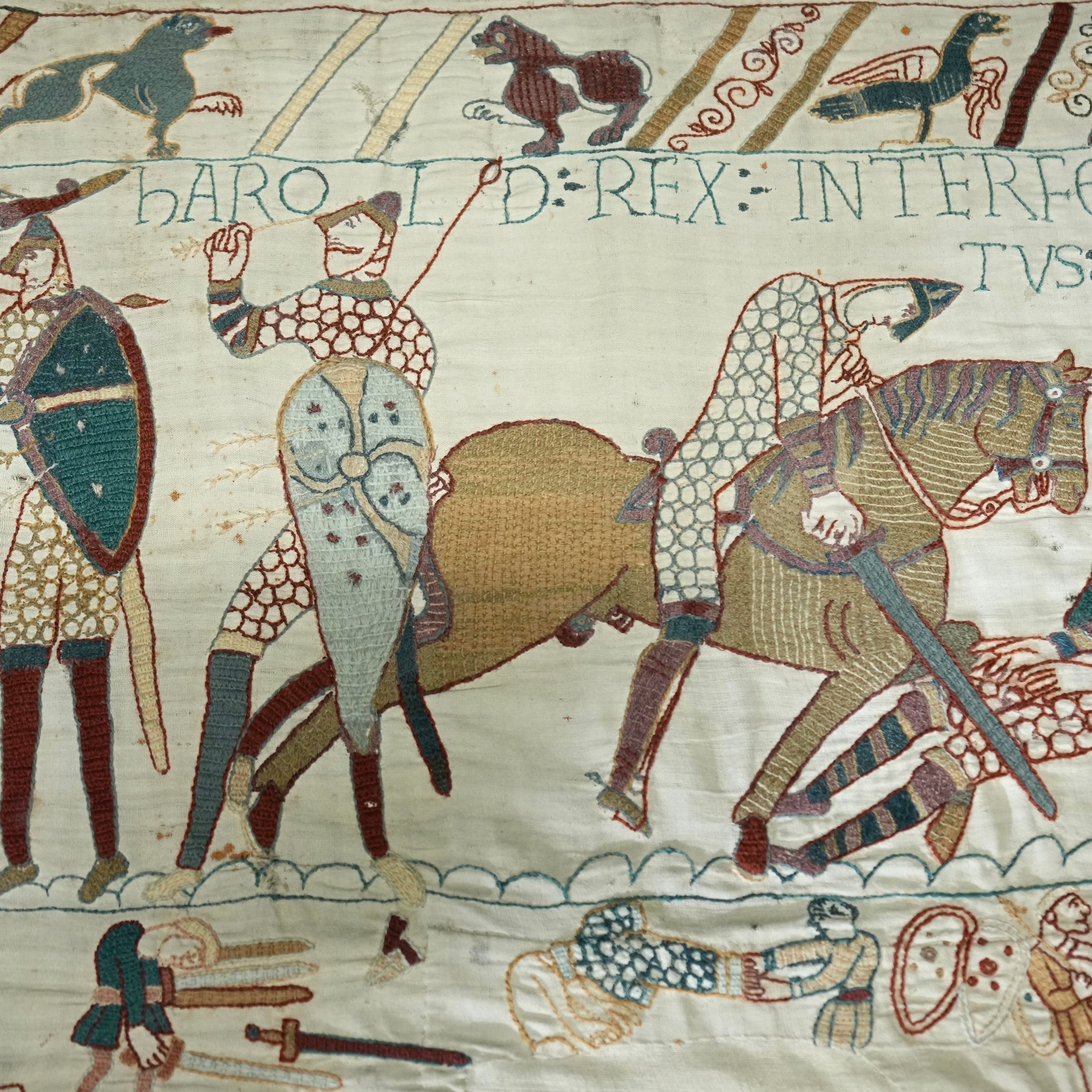
For the first time in centuries, the Bayeux Tapestry — a nearly 1,000-year-old piece of embroidery that depicts the invasion of England by William the Conqueror in 1066 — is on display in Britain.It was long said by art experts to be too fragile to move. But in a development that required geopolitical persuasion, this summer the tapestry made its way from Bayeux, France, to the British Museum in London.When the first block of tickets went on sale, the British Museum said, over 80,000 people at a time waited online to buy them.In this episode of the “Sunday Daily,” Alex Marshall, a culture r...
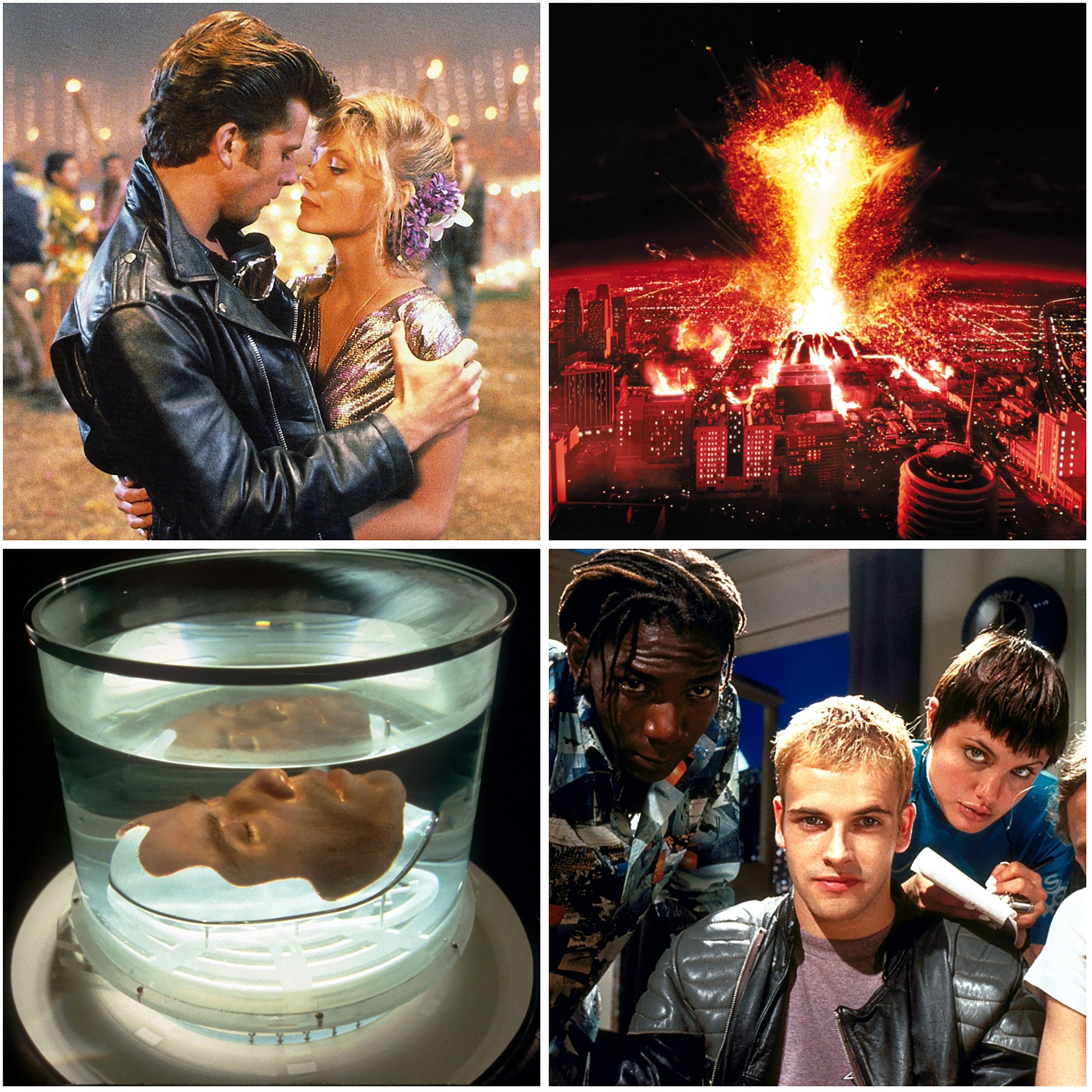
When it comes to movies we love, there are the artistic masterpieces and there are the foot-stomping crowd pleasers. But there’s another particular kind of beloved movie, the one that makes our friends groan, but that we rewatch incessantly; the one that we can quote line for line, even as we giggle at the actors’ performances; the one that we’d say is great, but that we might not say is good. These are the kinds of movies that Maya Salam, a pop culture writer at The New York Times, covers in her monthly column, The Good-Bad.This episode is a celebration of good-bad movies, timed to the rel...
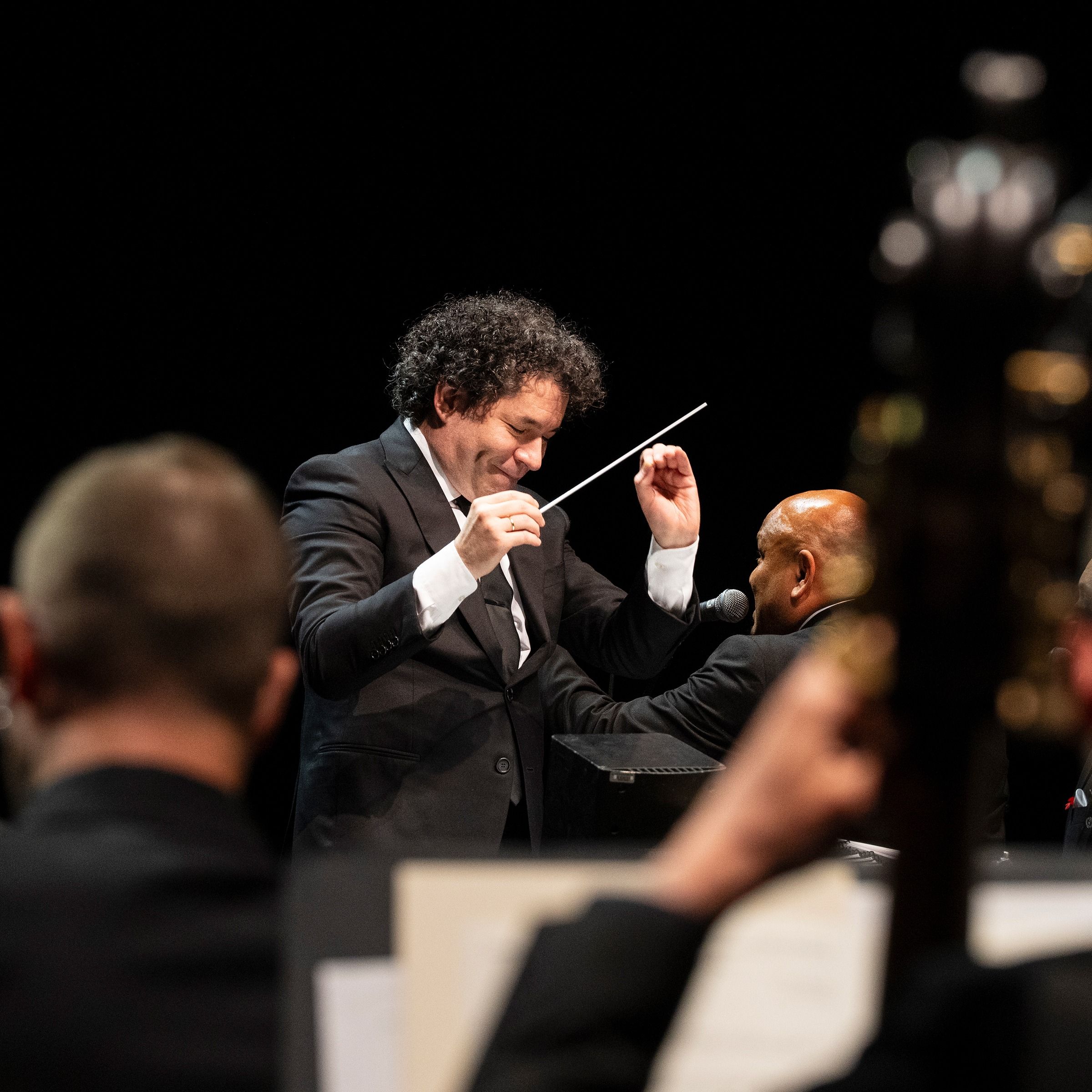
This week marks the start of the Gustavo Dudamel era in New York.The superstar conductor was just 28 when he became the musical director of the Los Angeles Philharmonic in 2009. A native of Venezuela and a product of its El Sistema musical training program, Dudamel quickly established himself not just as a great conductor, but also as a cultural force of nature. In his time in Los Angeles, he expanded the Philharmonic’s repertoire, created a successful youth outreach program, won prestigious awards and ingratiated himself with Hollywood elite.Now, after 17 years in Los Angeles, Dudamel is t...

The U.S. Open, the final tournament of the tennis season, is getting underway. The world’s best players are heading to the U.S.T.A. Billie Jean King National Tennis Center in Queens, N.Y., to battle it out for the chance to play a championship match at Arthur Ashe Stadium, the largest tennis arena in the world.
The players come freighted with great expectations, previous victories and defeats, aches and pains, personal dramas and professional rivalries, all of which they will carry with them out on the court when they play. Tennis is a game that exposes a lot about its players, which is one...
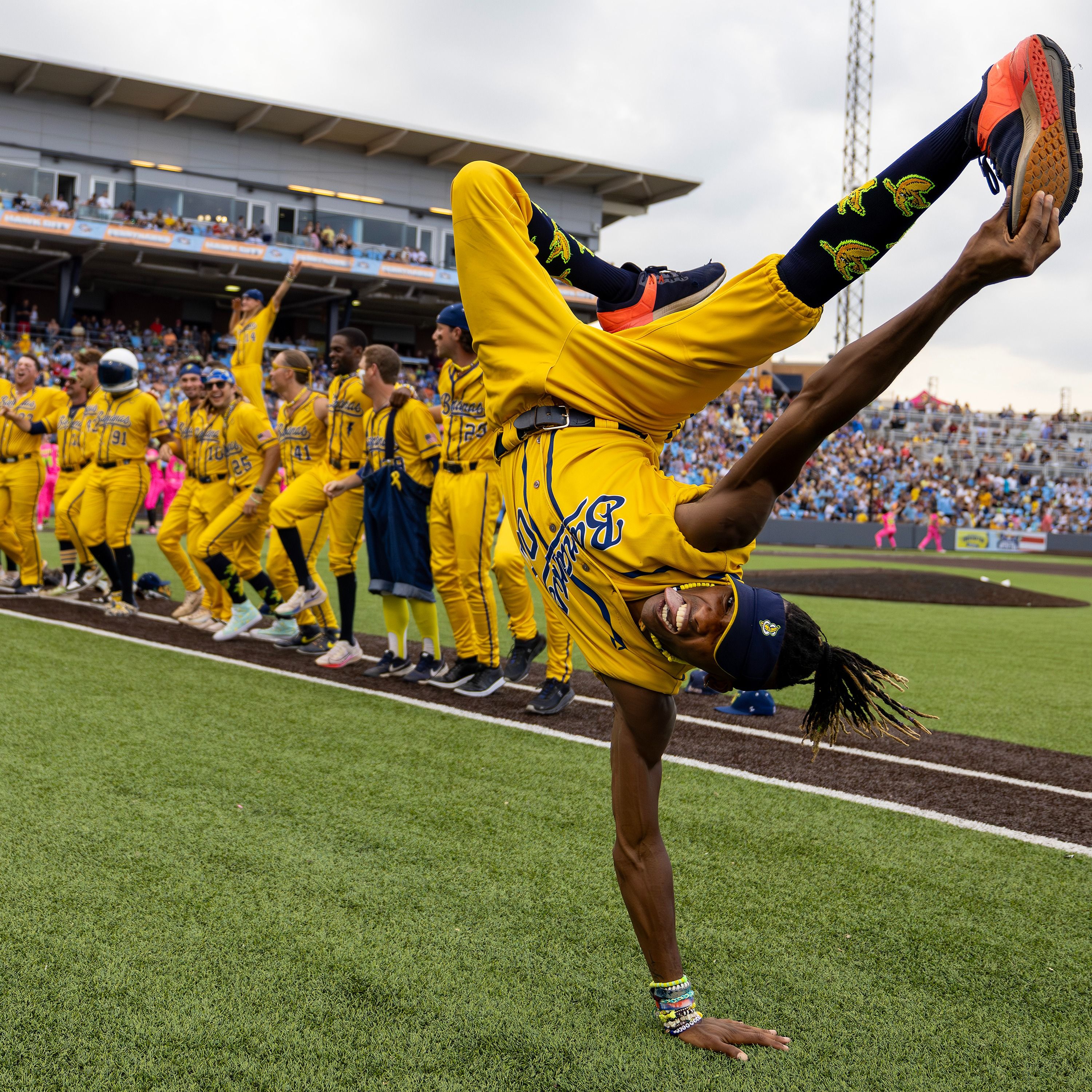
Jesse and Emily Cole created the Savannah Bananas with a simple mission in mind: to make baseball as entertaining as possible. They introduced some innovations to America’s pastime, including twerking umpires, stilt-walking pitchers and TikTok-ready choreographed dance numbers. They tinkered with the rules of baseball, making a game that was shorter and faster, with plenty of opportunities for fan engagement. The result? A sports sensation. In the 10 years since its founding, the team has become one of the most popular sports organizations in the world, reaching tens of millions of fans onl...
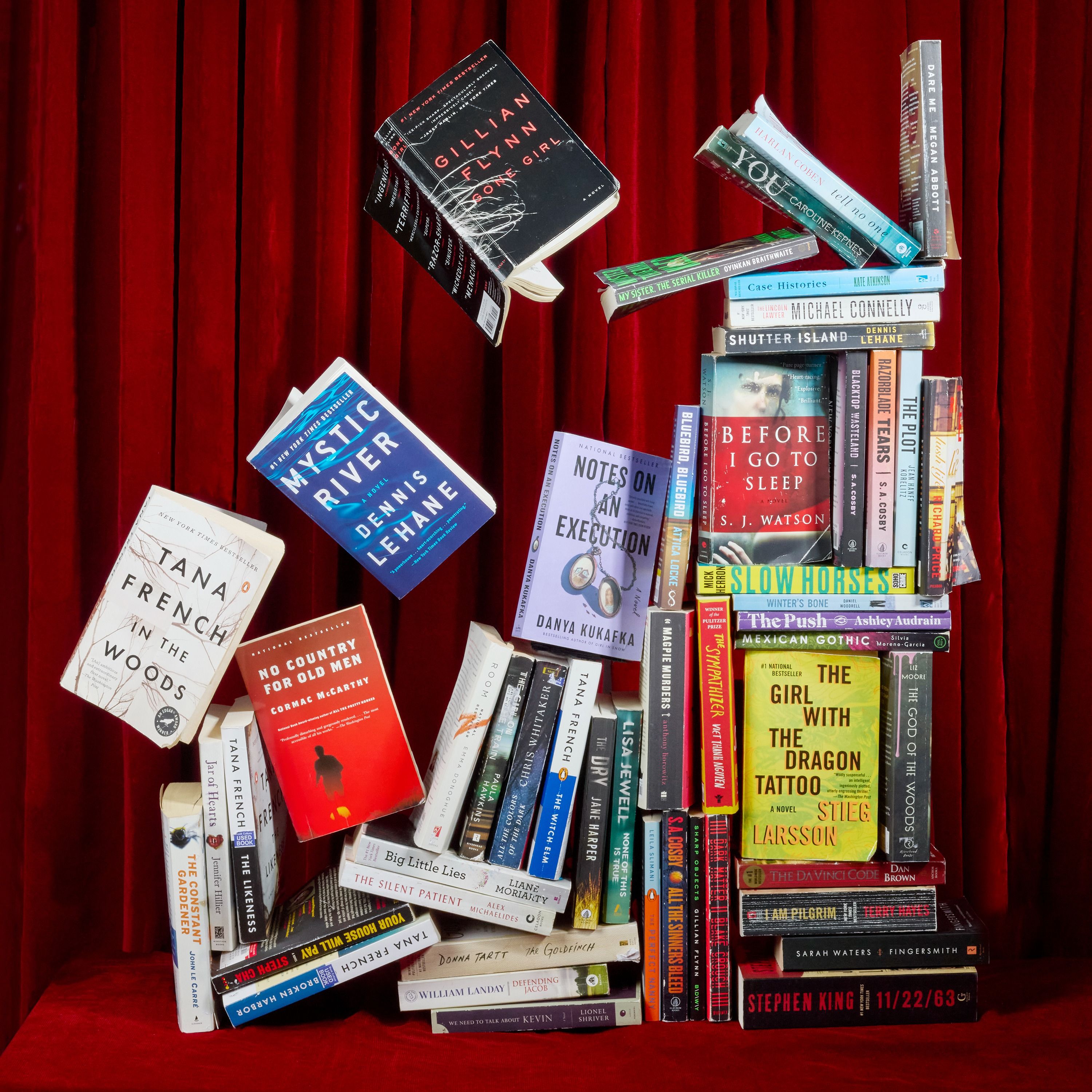
The New York Times Book Review recently released its list of the 50 best thrillers of the 21st century.
To put it together, the team asked almost 300 authors and other experts to vote for the best heart-thumping, page-turning, white knuckle reads published since 2000.
In this episode of “The Sunday Daily,” Natalie Kitroeff talks with the Times thrillers columnist, Sarah Lyall, about how the list came together. Then, Natalie speaks with one of the greatest thriller writers of this century — with four books featured on the list — the author Tana French.
On Today’s Episode:
Sarah Lyall writes ...
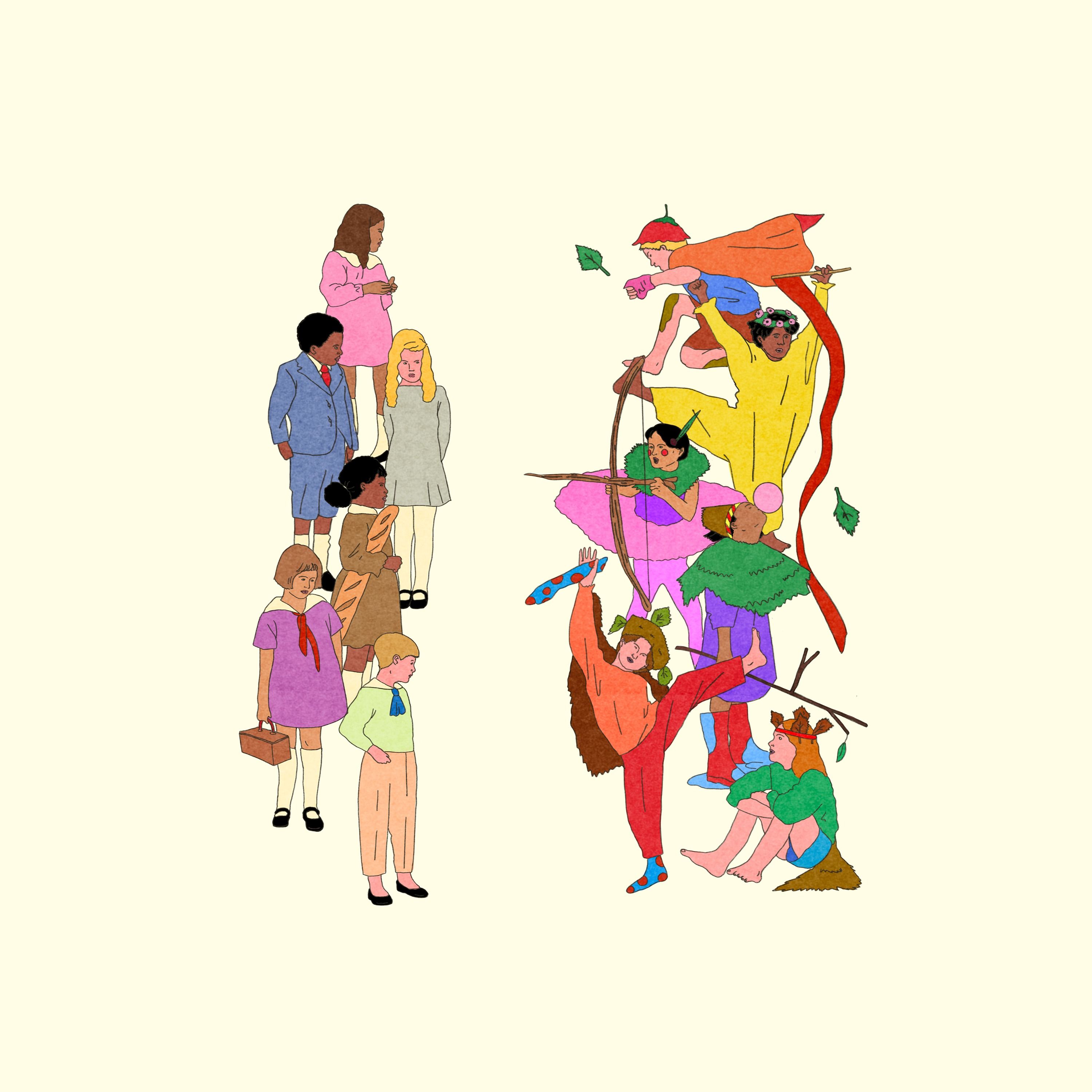
“Traditional” French parenting is built on a foundation of firm boundaries, strictness and punishment for misbehavior. Within these rules, children are also allowed freedom and autonomy, which some say results in both well-behaved children and stress-free parents.
In recent years, though, American-style “gentle” or “positive” parenting has gained a toehold in the country, unsettling decades of orthodoxy about the best way to raise a French child. It has prompted a fierce debate, with both sides accusing the other of being harmful.
In today’s episode, Madeleine Schwartz, a journalist who liv...

For decades, the kitchen was the centerpiece of Yewande Komolafe’s life. She spent long hours there, first as a restaurant cook and later as a recipe developer. But though she loved the often-intense culinary world, she had to navigate it with certain limitations: She was born with sickle cell disease, an inherited blood disorder, which required her to carefully manage her working life. She did so successfully, becoming a celebrated cookbook author and food writer for The Times.
A medical crisis in December 2023 changed all of that. Komolafe ended up in a coma for six weeks, and after emerg...

When the Times reporter Ellen Barry’s father developed dementia after a fall, her family spent years trying to manage his erratic behavior and confusion. They struggled to convince him that he was home, he was safe, and he shouldn’t try to leave. The experience was exasperating and impossible to understand.
Today, Ellen tells the story of those years, and of how she discovered scientific research that helped explain everything her family had lived through — research that could potentially help to save precious memories from being lost forever.
On Today’s Episode
Ellen Barry, a mental health...

After a month of competition across North America and 103 matches, the 2026 World Cup is down to its final game. Spain and Argentina will meet this afternoon in a match expected to draw over one billion viewers around the world.
Spain is hoping its well-oiled machine and young star can bring it its second World Cup win. Argentina is looking to Lionel Messi, its longtime star, to secure victory in what could be his last game at the World Cup.
On today’s episode, Tariq Panja traces the road to this historic final and explains what to know before kickoff.
Tariq Panja, a global sports corresp...
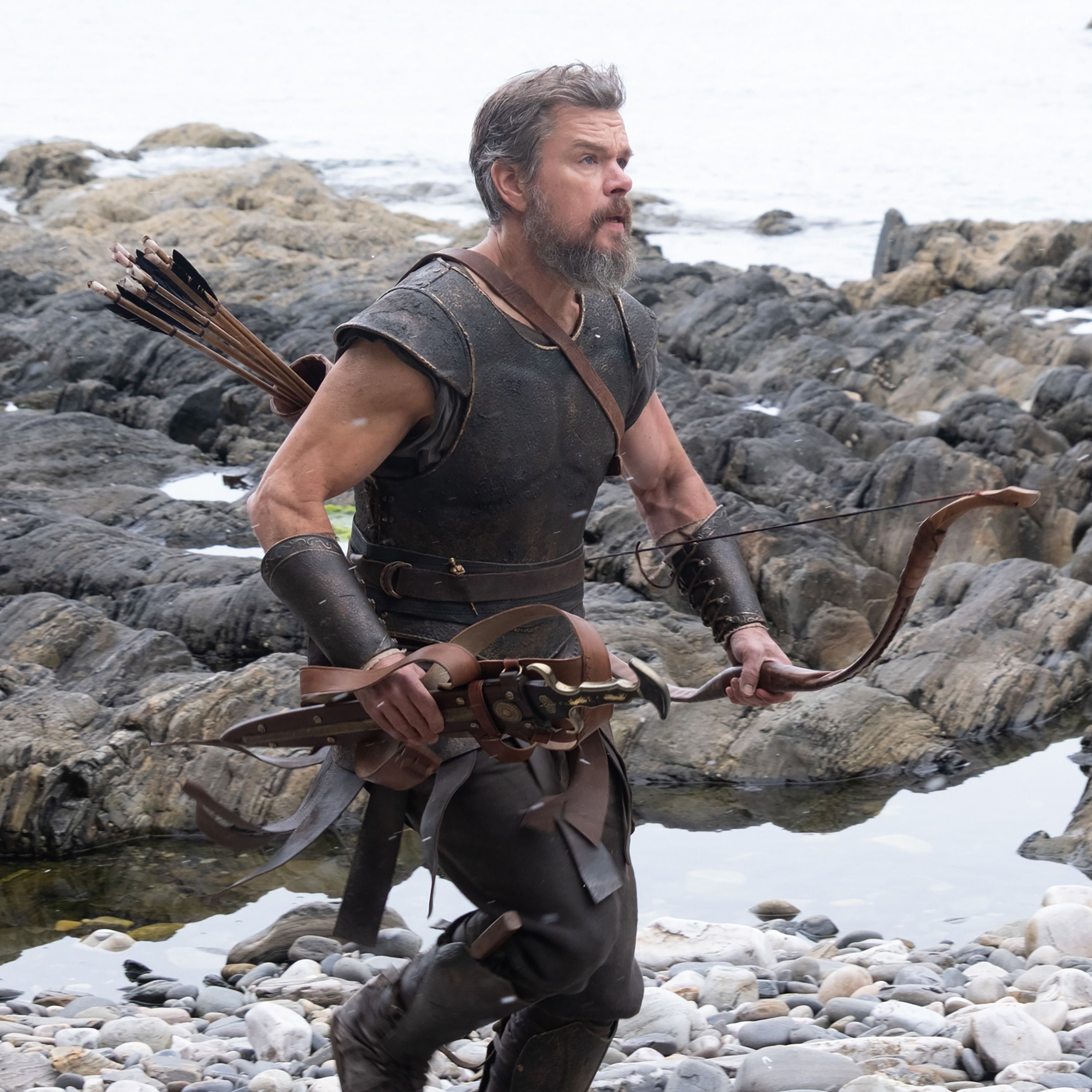
This Friday, “The Odyssey,” directed by Christopher Nolan, hits theaters. Even before the movie’s release, though, it’s proving to be a cultural event. Spirited discussions of Nolan’s cinematic interpretation of the epic poem already abound online, and they are likely to intensify after the public sees the film.
Why does a 12,000-line poem that is nearly 3,000 years old still feel resonant today? In this episode of “The Sunday Daily,” Natalie Kitroeff talks about the “Odyssey” with two writers who have produced some critically acclaimed and widely read modern interpretations of Greek classi...

In celebration of the United States of America’s 250th birthday, we posed a simple question to some of our favorite critics, columnists and editors across the New York Times newsroom, people who write about books, movies, TV shows, science, sports, wellness and food. We asked: What’s the most American thing on your beat?
On today’s episode, we present their answers. Happy Birthday, America!
On Today’s Episode
Joshua Barone, culture editor, on “Rodeo,” composed by Aaron Copland
Vanessa Friedman, chief fashion critic, on workout gear
Erik Piepenburg, culture writer, on the movie “Get Out”
...
In 1992, David Wood became El Paso’s most notorious convicted serial killer. He has been on death row ever since. More than 30 years later, his lawyers have just a few months to argue his innocence and stop his execution.
This is the first episode of a new five-part series from Serial Productions called “The Last 12 Weeks.” You can find the rest of the series by searching for “The Last 12 Weeks” on your favorite podcast player.
To find out about new shows from Serial Productions, and get a look behind the scenes, sign up for our newsletter at: https://www.nytimes.com/newsletters/serial
Have...
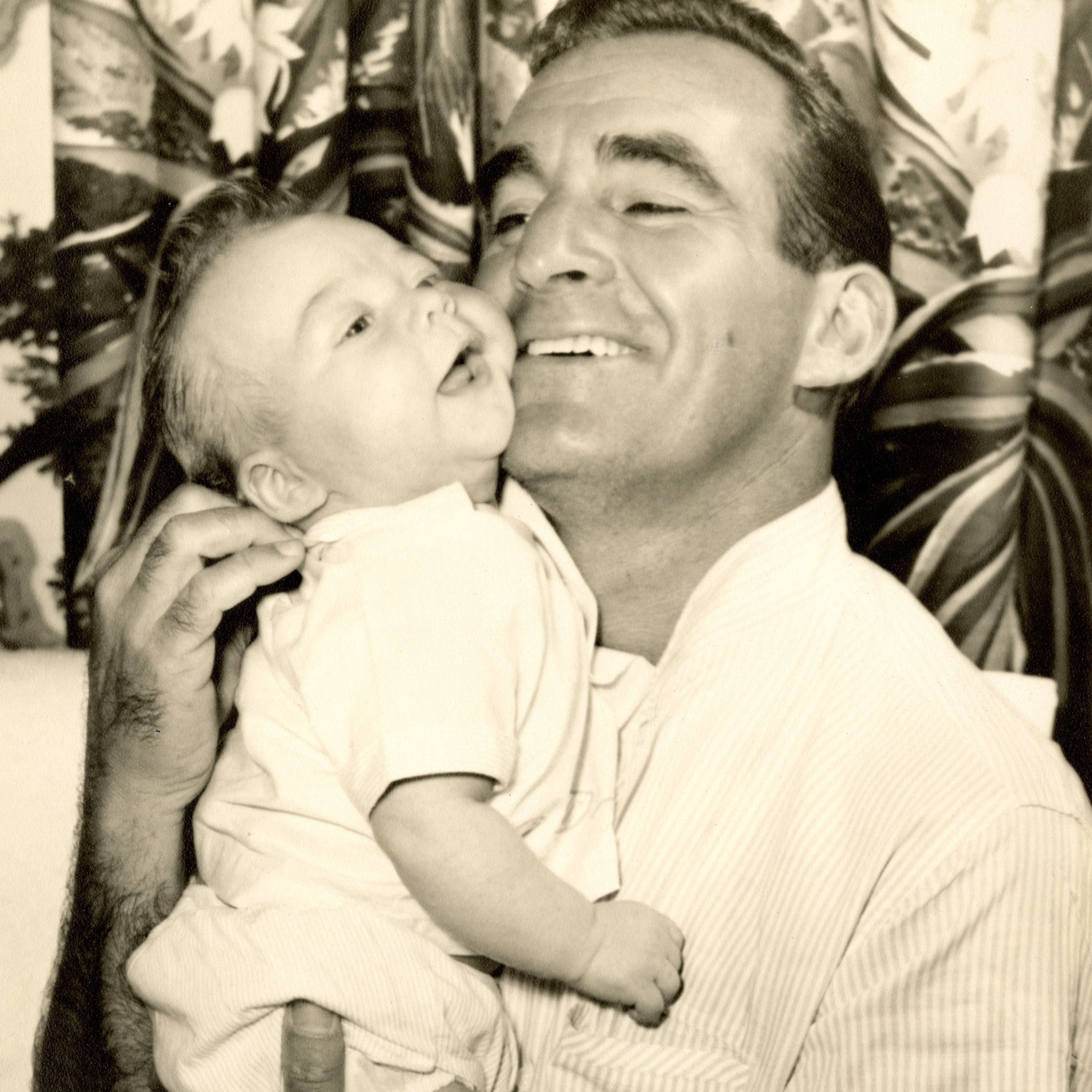
The writer Tom Junod has spent a career crafting profiles for men’s magazines like GQ and Esquire, often of famously complicated men like Norman Mailer, Kevin Spacey and Tony Curtis.
But another man loomed behind Junod’s interest in these figures, informing his own sense of masculinity and manhood: his father, Lou.
Lou Junod was handsome, charismatic — a man who seemed like a celebrity, even though he wasn’t famous. He was also mysterious, a keeper of secrets that have continued to reverberate through his son’s life.
On today’s episode, Michael Barbaro talks with Junod about his new book, “...
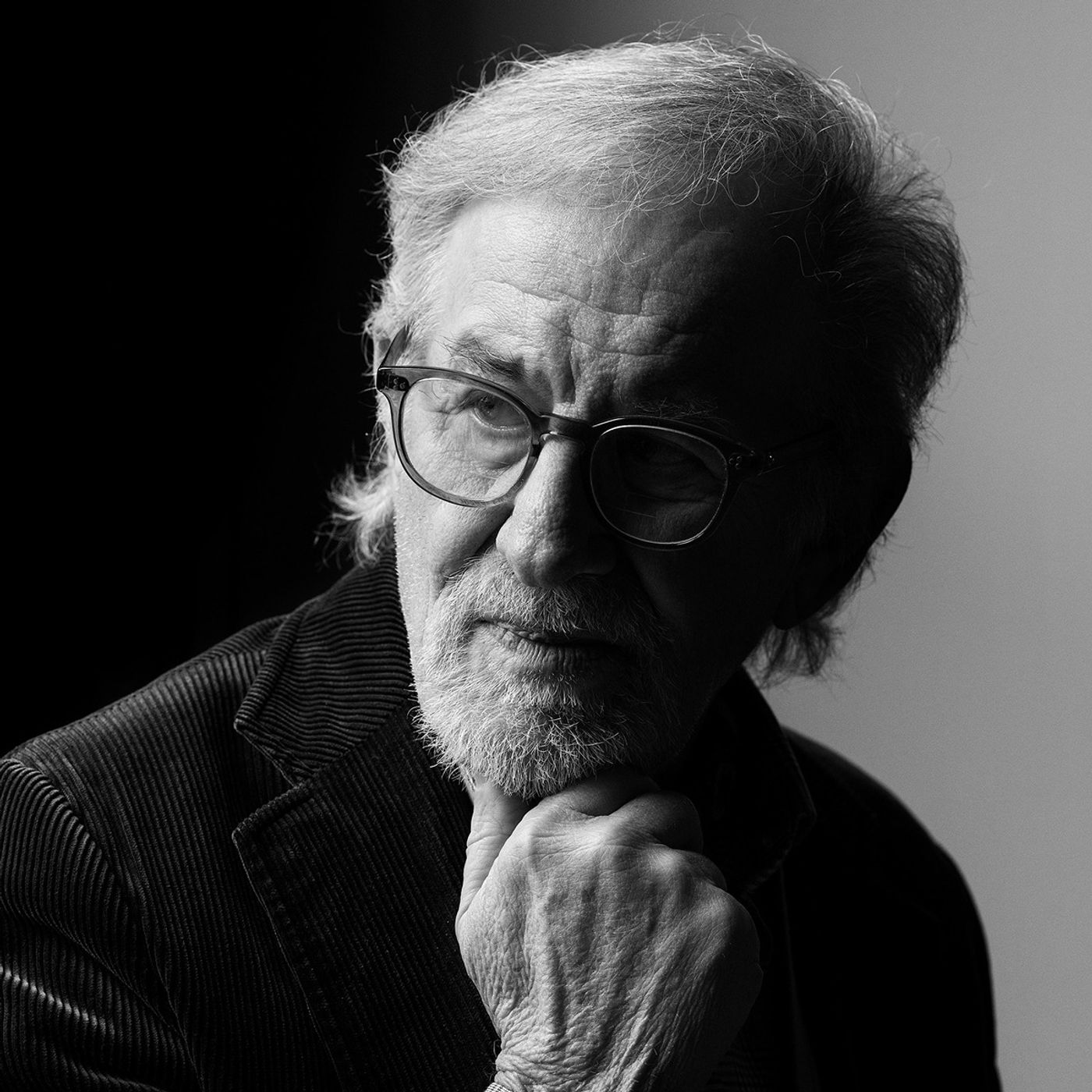
Almost 50 years ago, Steven Spielberg directed “Close Encounters of the Third Kind,” the story of an average man who discovers that humanity may not be alone in the universe. Over the decades, Spielberg has directed several movies about what would happen if humanity made contact with aliens. Would the aliens be kind like the title character in “E.T. the Extra Terrestrial”? Would they be cruel like the murderous aliens of “War of the Worlds”? And regardless of what the aliens were like, would we humans be ready to receive them?
Spielberg returns to the question of whether we’re alone in the ...
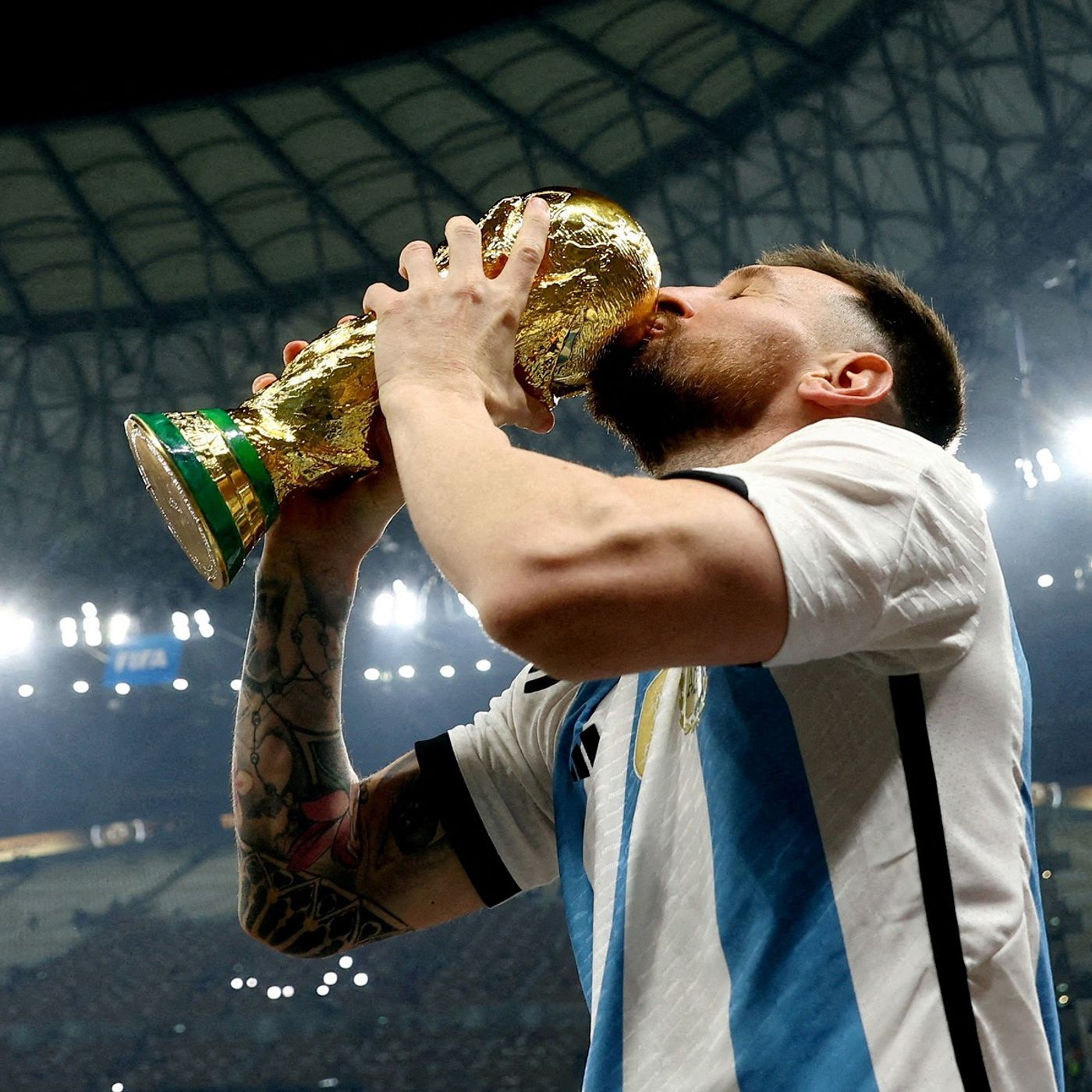
The 2026 World Cup is about to descend on North America — spread across three countries, with 48 teams, and 104 games, and with billions of fans across the globe tuning in to watch the biggest sporting event on the planet.
Today, Tariq Panja, global soccer correspondent for The New York Times, breaks down everything you need to know about this year’s tournament — the arrival of historic first-timers, like Curaçao, the aging legends like Lionel Messi and Cristiano Ronaldo, who are making their final appearances, and the eye-watering ticket prices that are driving fans to financial extremes j...
Olivia Rodrigo sat down with Joe and Jon for her first in-depth conversation about her new album, “you seem pretty sad for a girl so in love,” out June 12. She discussed the many ways her creative process intersects with the extracurricular noise of pop superstardom, whether its managing relationship drama; being targeted for the way she dresses, accusations of pilfering songwriting gestures from Taylor Swift, her onetime idol, or her willingness to speak up about political and social causes in a way many of her peers won’t.
For more information on today’s episode, visit nytimes.com/thedail...
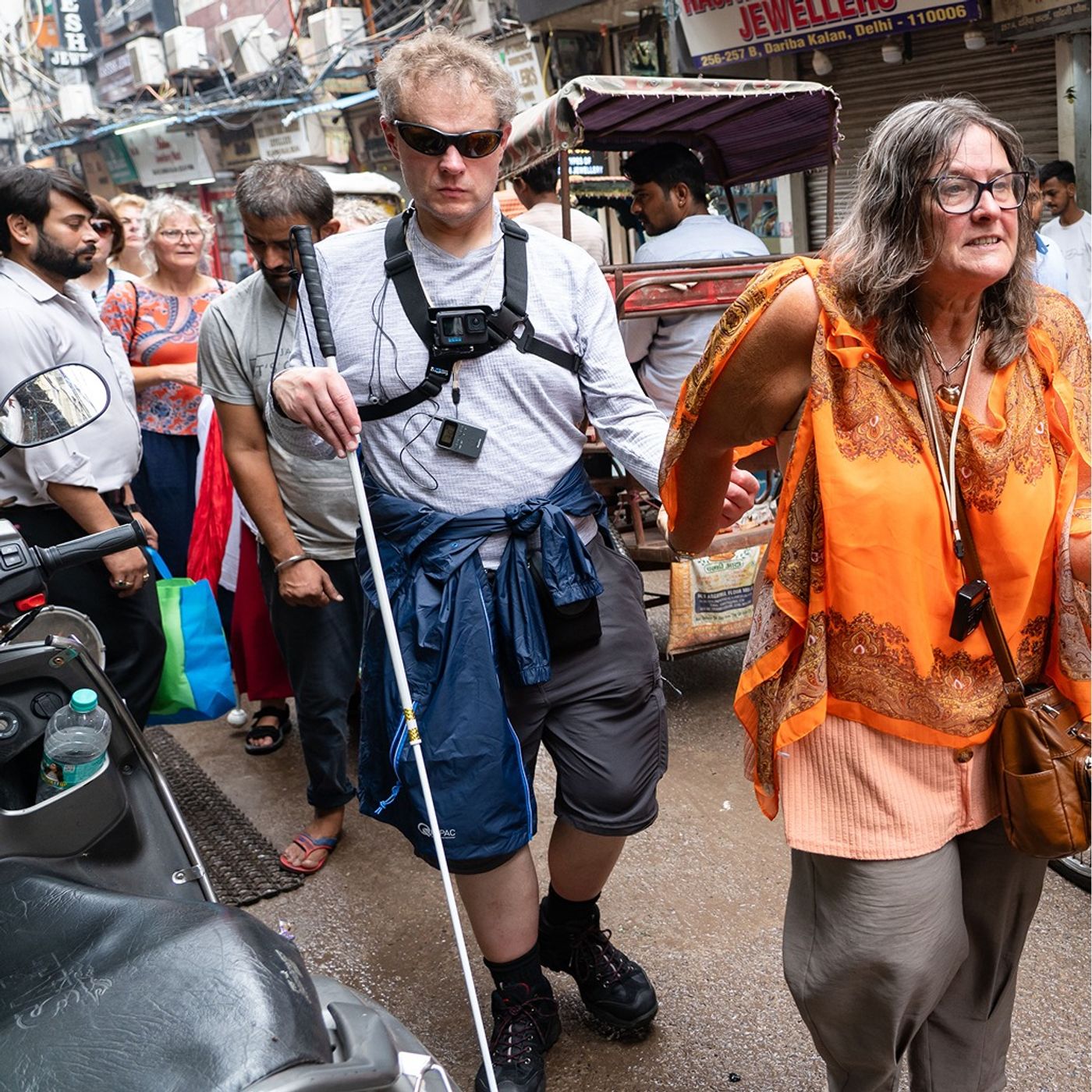
Andy Isaacson is a writer and photographer. His work for The Times has taken him to every corner of the world, and he has transmitted what he’s experienced through his images.
But recently, Isaacson took a trip unlike any he’d taken before. Not because of where he traveled, but because of how he traveled.
Paired with a set of unlikely travel companions, he put down his camera and experienced the word through touch, smell and sound.
On today’s episode of “The Sunday Daily,” Isaacson talks with Host Michael Barbaro about a trip that forever changed the way he travels.
On today's episode:
An...

For Mother’s Day, we asked you about your “Mom mantras”: the oft-repeated mottos or go-to expressions that your moms have said over the years. In partnership with the Well desk, we received thousands of submissions, full of sayings that ranged from wise to funny to profound.
In today’s episode of “The Sunday Daily,” we feature your “Mom mantras,” and the host Rachel Abrams calls her mother to ask about hers.
On Today’s Episode:
Readers of The New York Times
Background Reading:
The Wisdom of Our Mothers
For more information on today’s episode, visit nytimes.com/thedaily. Transcripts of ea...
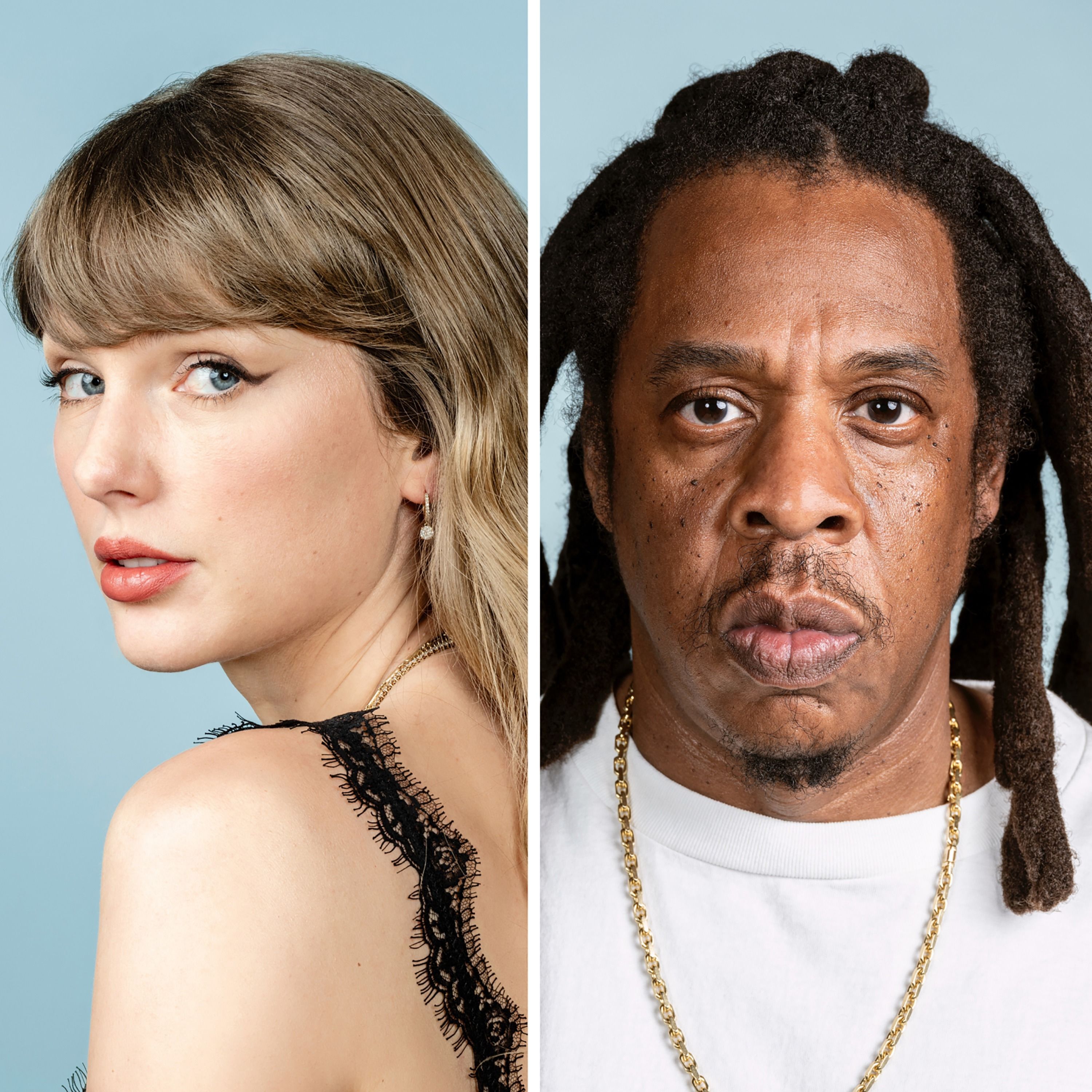
Roughly a year ago, a team at The New York Times Magazine set about tackling a nearly impossible task: creating a list of the greatest living American songwriters. But how to take the tens of thousands of songwriters working in this country and narrow them down to a digestible list? The answer involved thousands of voting ballots, hundreds of music industry insiders and a series of closed-door meetings among a small group of music experts. The result, The Times’s list of the 30 greatest living American songwriters, was published this week.
Today, Michael Barbaro talks with Sasha Weiss, a de...
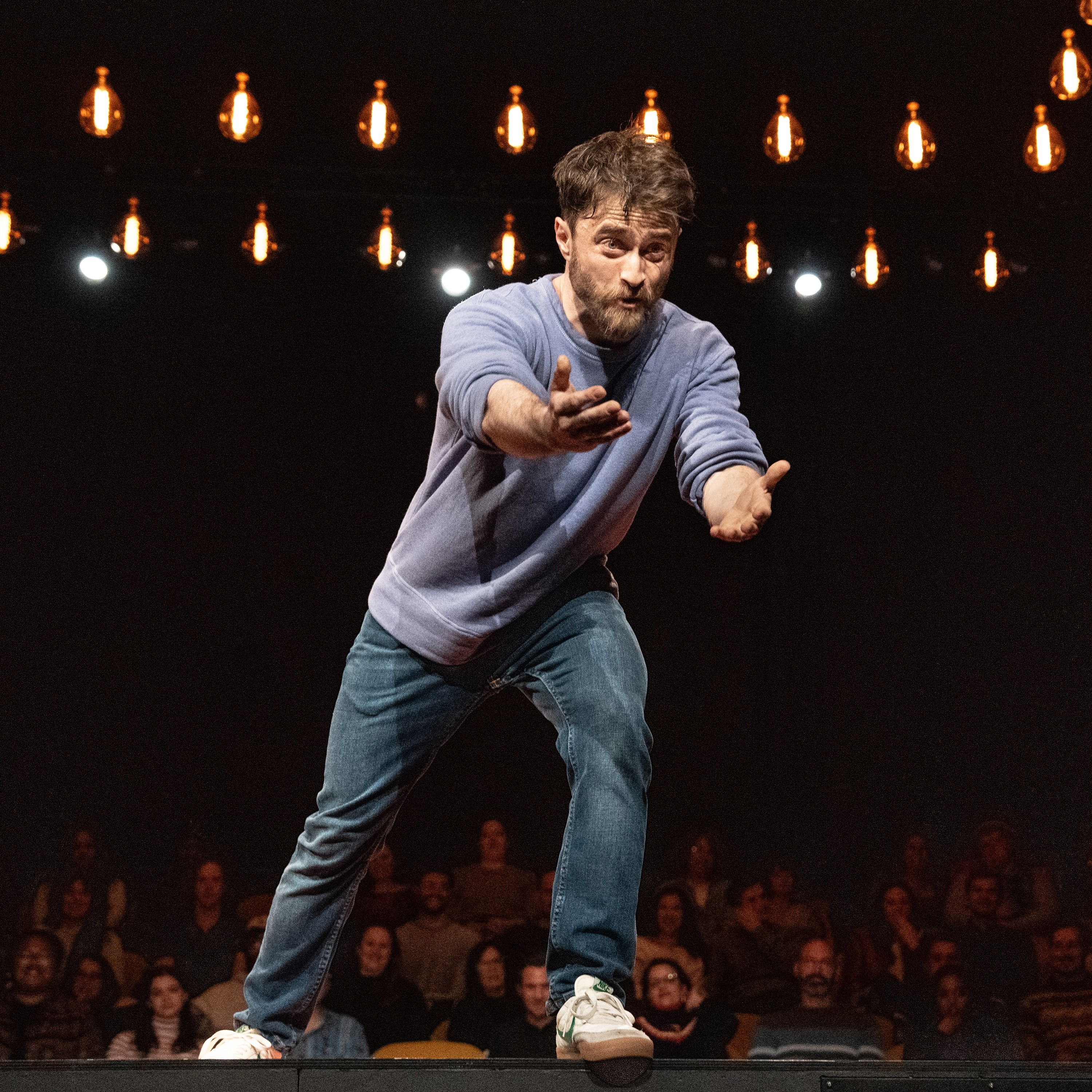
With war, political wrangling and price hikes jockeying for headlines, it’s a rare thing to sit for an hour with a large group of strangers and focus on the small pleasures in life. But that’s what the show “Every Brilliant Thing” is all about.
Since 2013, Duncan Macmillan’s audience-participation-heavy play has been performed in dozens of languages in hundreds of locations across the globe. It revolves around a central character who writes a list of all the good things in life for a depressed parent. And while it tackles dark subject matter — including frequent mentions of a loved one’s su...